
Route2Reading Podcast
A podcast for teachers who are ready to learn what structured literacy is and the Science of Reading behind it. Join Amie to pinpoint where your readers are struggling and get the tools to help them.


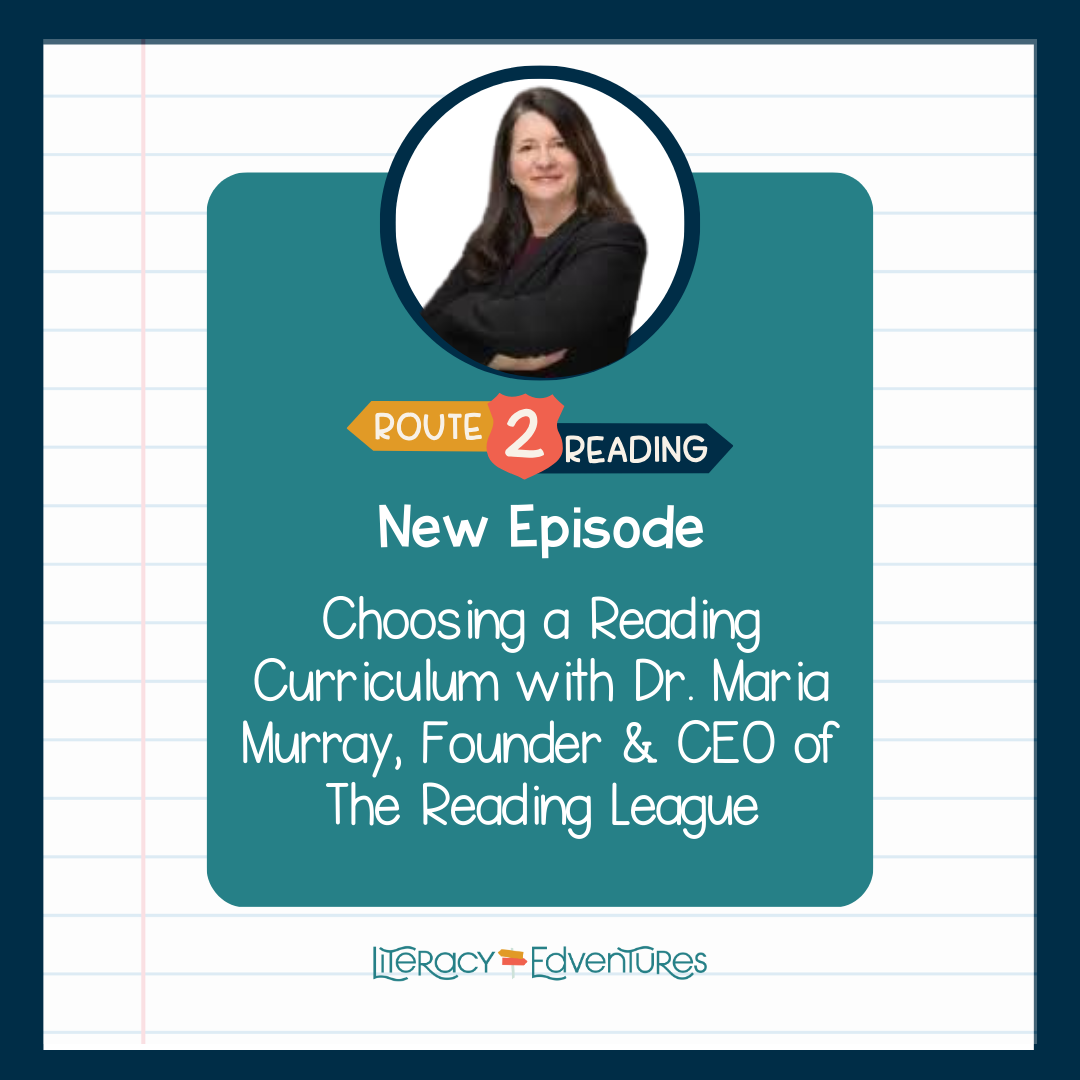
Choosing a Reading Curriculum with Dr. Maria Murray, Founder & CEO of The Reading League
In today’s episode, I sit down with the incredible Dr. Maria Murray, founder and CEO of The Reading League, to talk about one of the most consequential decisions schools make: choosing a reading curriculum. If you’ve ever felt overwhelmed by programs, sales pitches, reviews, or state requirements, this conversation is a breath of fresh air.
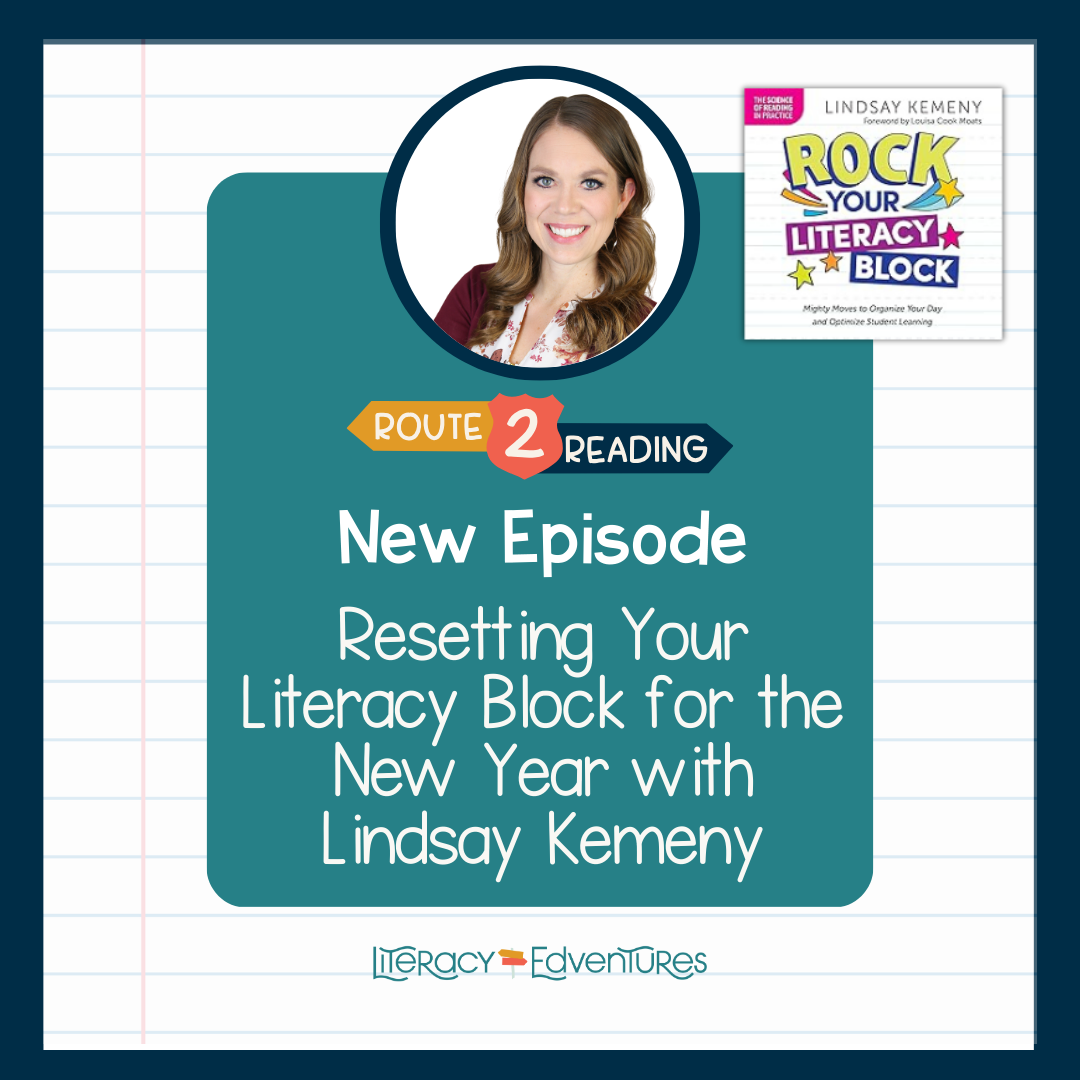
Resetting your Literacy Block for the New Year with Lindsay Kemeny
In this episode, we talk about what it really takes to turn the Science of Reading into daily classroom practice. From observing other teachers, to tightening routines, to managing time inside overloaded programs, this conversation is all about building a literacy block that actually works.
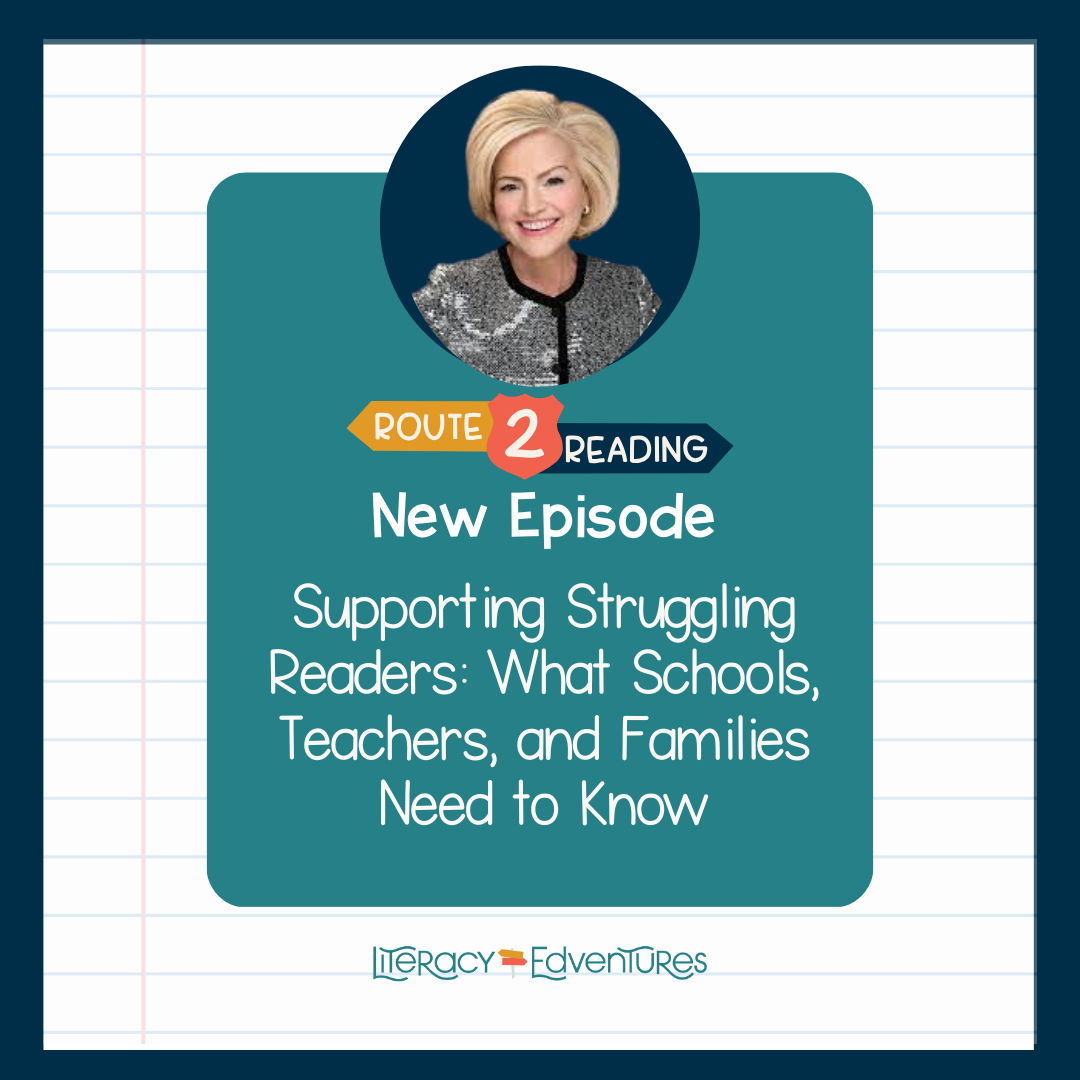
Supporting Struggling Readers: What Schools, Teachers, and Families Need to Know
In This Episode, We Cover
Understanding Dyslexia and Misconceptions
What dyslexia actually is
Why eligibility labels alone are not enough
How co-occurring needs (like ADHD) influence support
Why early identification matters
What Effective Support Looks Like
Why intervention is not one-size-fits-all
The myth of relying on brand-name programs instead of strong interventionists
How to individualize minutes, intensity, and instructional needs
Why waiting is the most damaging “intervention”
Bringing Everyone to the Table: How The Teachers Table Is Transforming Teacher Support
In this episode, Elise shares her journey from classroom teacher to curriculum creator to entrepreneur, and opens up about the moment she realized teachers needed more than scattered resources and social media tips — they needed a trusted, community-centered space where research meets real classrooms.
This conversation is a must-listen for teachers, coaches, and leaders who feel the weight of trying to “figure it all out” alone. Elise brings a refreshing blend of honesty, practicality, and heart to the topic of professional learning and what it should look like.
Strengthening Early Writing Through Foundational Skills with Amy Siracusano
In this episode, we sit down with writing expert and longtime educator Amy Siracusano to unpack what early writing instruction should look like—and why so many teachers struggle with it. From handwriting and stroke formation to moving students from oral language to letters, words, and eventually sentences, Amy brings clarity to a process that often feels overwhelming in K–2 classrooms.
Together, we explore why writing has been left out of the Science of Reading conversation, how foundational skills set students up for success, and practical ways teachers can support young writers without frustration or shutdowns. Amy shares actionable steps, classroom routines, and scaffolds that make writing more accessible, especially for multilingual learners and students who need more explicit support.
Tips and Tricks for Building Reading Fluency in Grade K- 2 with Jan Hasbrouck
In today’s episode, I sit down with literacy legend Dr. Jan Hasbrouck — researcher, author, consultant, and co-creator of the widely used Oral Reading Fluency (ORF) norms. Known for her unmatched expertise in reading fluency, assessments, instructional coaching, and dyslexia, Dr. Hasbrouck brings decades of wisdom to this powerful conversation.
Together, Jan and I unpack myths about learning to read, the truth behind the “95% of kids can learn to read” statistic, what dyslexic learners really need, how fluency develops, and why teachers are essentially performing “brain surgery by instruction.” This episode is packed with clarity, encouragement, and inspiration for educators at every level.
Writing Your Own Decodables with Brooke Vitale: Turning Research Into Engaging Stories
Have you ever wondered what it takes to write your own decodable books—or how to make them both phonics-aligned and fun to read? In this episode of the Route2Reading Podcast, Amie sits down with Brooke Vitale, former children’s book editor turned author and co-creator of Charge Mommy Books, to talk about how she began writing decodable texts during the pandemic and what she’s learned along the way.

6 Common Mistakes Teachers Make With Decodable Texts (and How to Fix Them)
Have you ever handed your students a decodable book and thought, “Why is this so hard for them?” You’re not alone. Decodable texts are one of our most powerful tools for early reading—but only when used intentionally. In this episode (and post), we’re breaking down six common mistakes teachers make with decodable books—and how to fix them—so you can build stronger readers without losing meaning, confidence, or joy.

Morphology Made Simple: Building Word Power in K–2 with Michelle and Sarah
What if I told you morphology isn’t too advanced for young readers—it’s actually the missing piece that makes decoding, spelling, and vocabulary stick?
In this episode, I’m joined by two of my favorite literacy leaders, Michelle Sullivan and Sarah Paul, to talk all things morphology. We unpack what it is, why it matters from the very start of reading instruction, and how to make it engaging and approachable for even our youngest students.
Whether you’re brand-new to morphology or already a self-proclaimed word nerd, this conversation will give you practical tools you can use tomorrow.

Beyond the Rules: Teaching Syllables with Flexibility with Savannah Campbell
Syllables can feel “big” or confusing—but they don’t have to be. In this episode, I chat with reading specialist Savannah Campbell (Campbell Creates Readers) about how to make syllable instruction clear, doable, and effective from k–5. We cover the six syllable types, how (and whether) to teach division patterns, set-for-variability, and simple multisensory tools that help kids read and spell multisyllabic words with confidence.

How to Implement the Science of Reading with Young Learners
In this episode, I’m excited to share a conversation I originally had on the Triple R Teaching Podcast with Anna Geiger (The Measured Mom). Together, we dive into my book Literacy Unlocked: How to Implement the Science of Reading with Young Learners and explore how to bridge research with practical classroom application.
We cover the real-life challenges teachers face when it comes to foundational literacy skills and the shifts required to move from balanced literacy to the science of reading. This episode is packed with actionable ideas that you can take straight into your classroom.
Why Language is the Heart of Literacy with Susan Lambert
In this episode of Literacy Unlocked, I’m joined by Susan Lambert, host of the Science of Reading: The Podcast by Amplify, to dig into one of the most essential—and often overlooked—components of reading success: language. Susan shares personal stories and professional insights that make a powerful case for elevating language development right alongside decoding.

Letter Sounds That Stick: 8 Research-Backed Strategies That Actually Work
In today’s episode, Amie breaks down eight essential, research-backed strategies for teaching letter sounds in ways that are practical, effective, and rooted in the science of reading. These aren’t trendy tricks or rigid programs—they’re flexible, powerful routines that actually work in real classrooms with real kids.
Teaching the Alphabet with Intention — A Conversation with Dr. Shayne Piasta
In this episode, I’m joined by the brilliant Dr. Shayne Piasta — a developmental psychologist, early literacy researcher, and professor at The Ohio State University. Her work has deeply influenced how I think about alphabet instruction, and I couldn’t wait to sit down with her to talk about what the research actually says about teaching letter names, sounds, and formation — and how to make it practical for real classrooms.
Why I Wrote Literacy Unlocked — And Why It’s the Book I Wish I Had as a New Teacher
In this heartfelt episode, Amie Burkholder takes you behind the scenes of her new book, Literacy Unlocked. If you’ve ever felt overwhelmed by the nonstop buzz around the Science of Reading or unsure how to turn research into real-life instruction, this episode is for you.
Interview with Shannon Moore
Whether you’re supporting readers in your classroom, after school, or during summer tutoring, intervention doesn’t have to feel overwhelming. In this episode, I sit down with literacy coach and intervention specialist Shannon Moore, Ed.S., to talk about what actually makes intervention effective—both in school and out.
We break down the core components of strong intervention systems, what to focus on when analyzing data, how to progress monitor in a meaningful way, and how to communicate all of this clearly with parents. Shannon also shares her journey from classroom teacher to private tutor to literacy coach—and offers encouragement (and practical advice!) for educators thinking about tutoring this summer.

5 Small Group Reading Must-Haves Every Teacher Needs
Small group time is where the most powerful reading growth can happen — but if you’re feeling overwhelmed by what to use, how to organize it, or whether you have the “right stuff,” this episode will give you clarity (and a deep breath).
I’ve spent years trying all the things — leveled tubs, centers, flashcards, flip charts… you name it. But over time, I realized the most effective small group reading block didn’t require more. It just needed the right few tools and the routines to go with them.

Yvette Manns- An Author’s Journey
In this episode of the Literacy Unlocked podcast, Amie Burkholder interviews Yvette Manns — certified dyslexia practitioner and creator of the Phonics Readalouds series. They discuss how storytelling can transform phonics instruction, why engagement matters, and how to keep lessons joyful and aligned with the science of reading. Hear behind-the-scenes inspiration for books like The Not-So-Lazy Schwa and The Very Talented Silent E, and get a sneak peek at Yvette’s upcoming releases and events. Perfect for educators looking to boost phonics instruction with creativity, clarity, and heart.

Five Ways to Move Away from Sound by Sound Reading and Build Fluency
Helping students move past sound-by-sound reading is one of the biggest milestones in early literacy! In this episode of the Literacy Edventures Podcast, Amie Burkholder shares why students often get stuck sounding out every letter, how to strengthen their decoding foundation, and simple, daily fluency routines that actually work. You’ll learn how to explicitly teach blending, practice with blending lines, and build the bridge from decoding to fluent, confident reading. Perfect for K–2 teachers, reading specialists, and interventionists who want real-world strategies they can use tomorrow.

MTSS for Reading Improvement
In this episode of Route2Reading Amie Burkholder sits down with Stephanie Stollar and Sarah Brown, authors of MTSS for Reading Improvement, to explore how schools can effectively implement the Science of Reading within an MTSS framework. They discuss common misconceptions, practical Tier 1 strategies, how to use data to drive instruction, and actionable steps school leaders can take to improve reading outcomes systemwide. A must-listen for educators, coaches, and administrators looking to strengthen structured literacy.